Grace Graupe Pillard
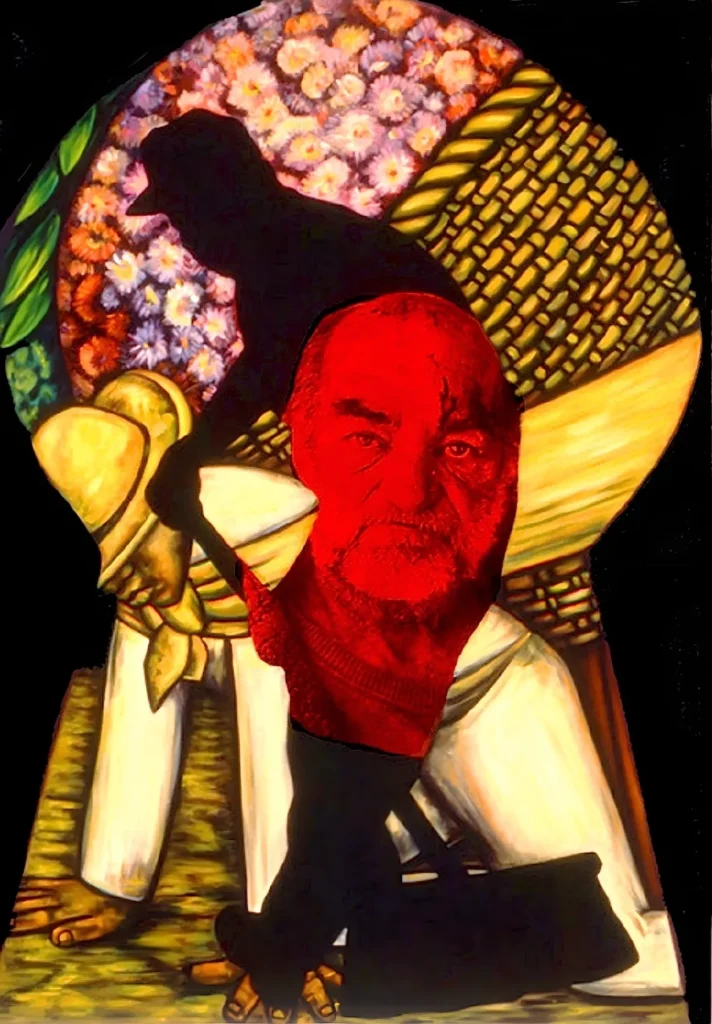
I am an artist who has spent a lifetime making art that reconciles the personal with the political. My background as a child of German Jewish refugees who fled persecution from Nazi Germany has imprinted upon me an acute awareness of injustice. My antenna is sensitized to those who are not integrated into “mainstream” society, “outsiders” whose lives have been bruised or shaken; those who do not have a steady footing on an ever-shifting ground that no longer is a bedrock of constancy.
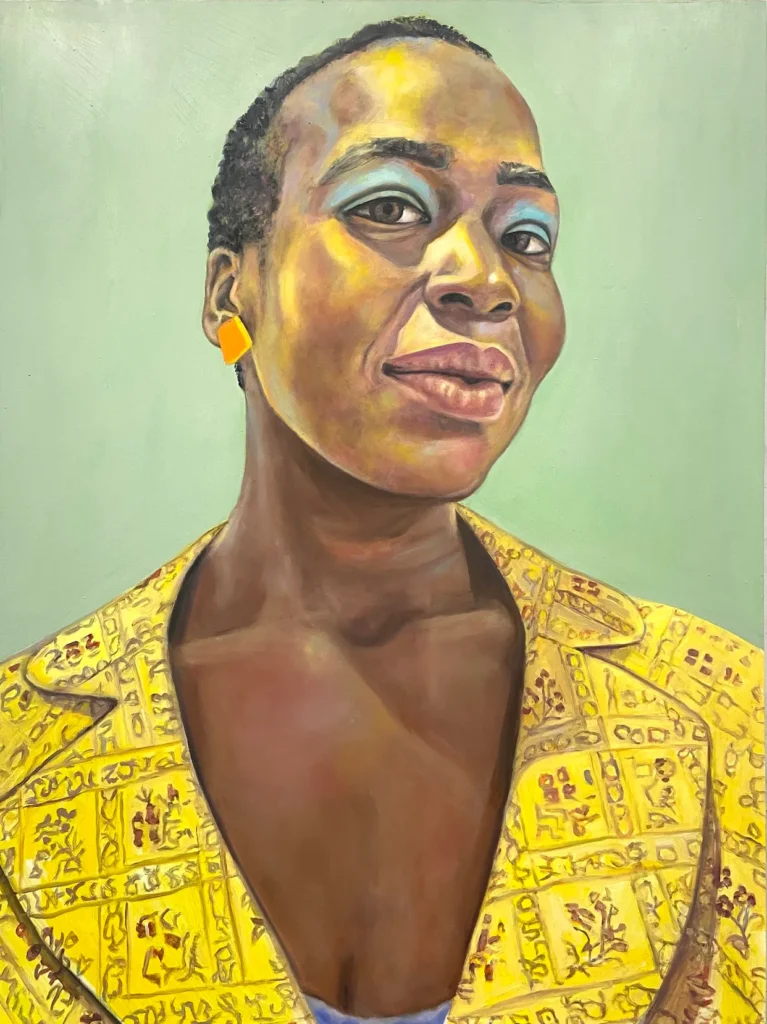
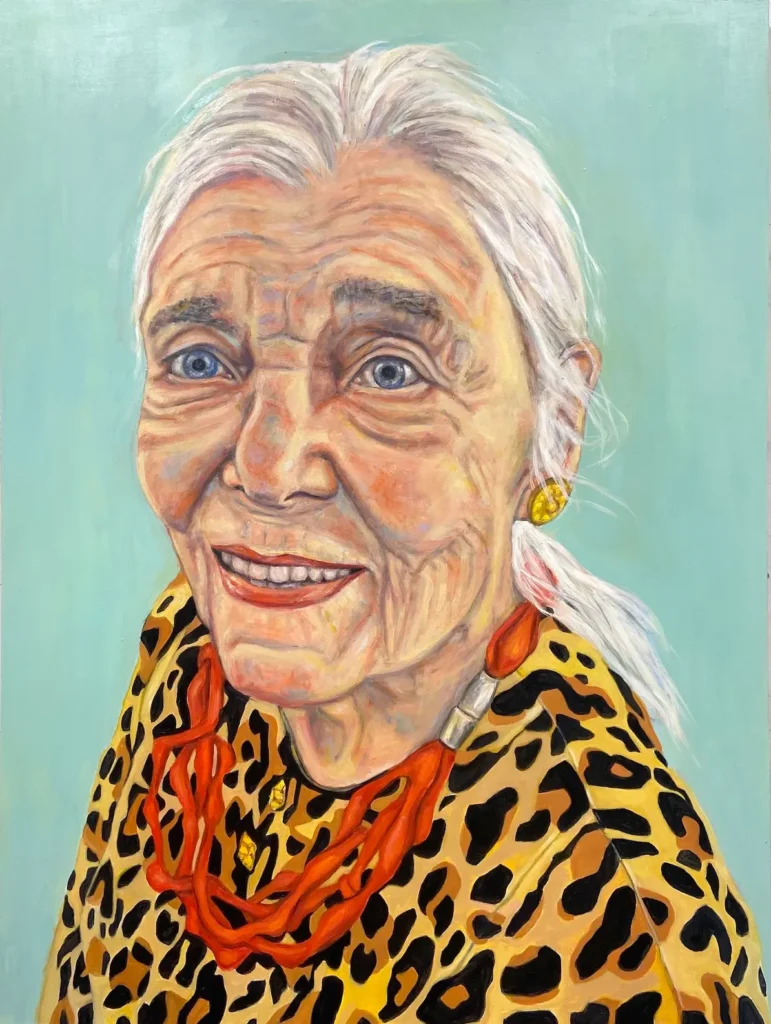
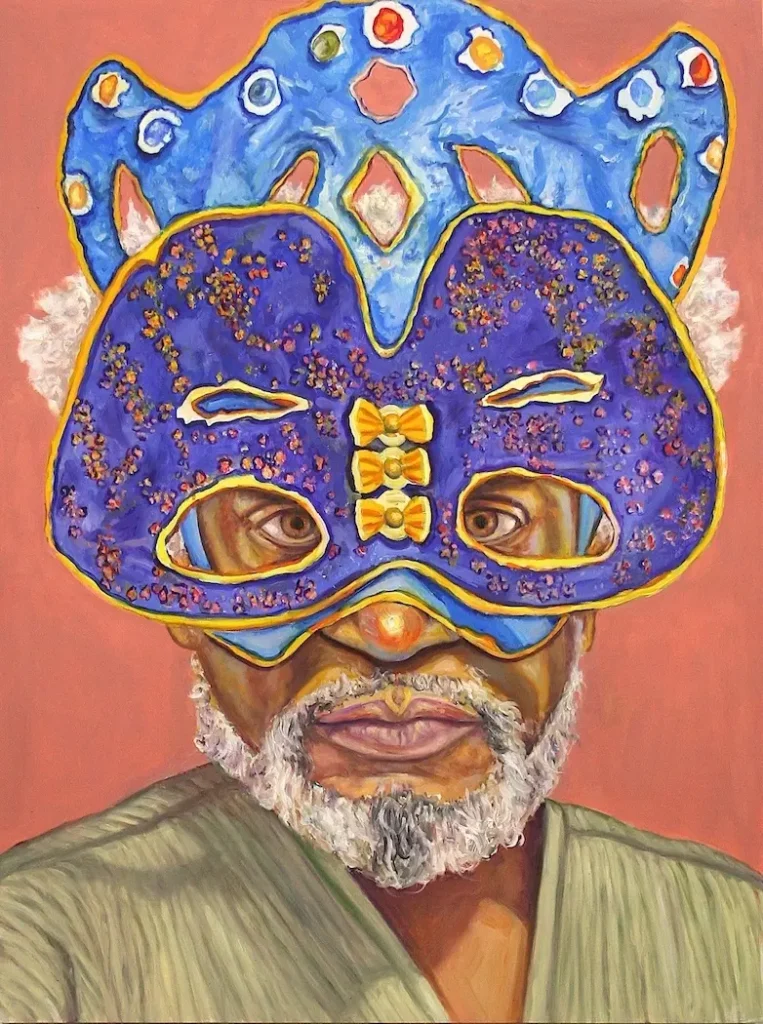
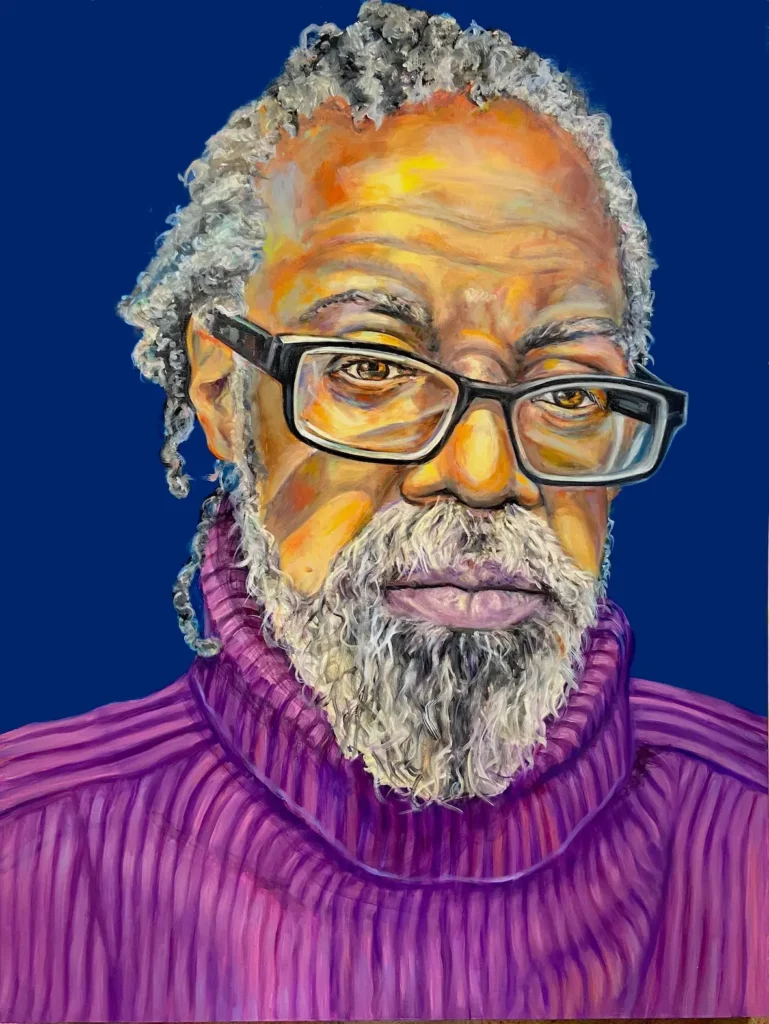
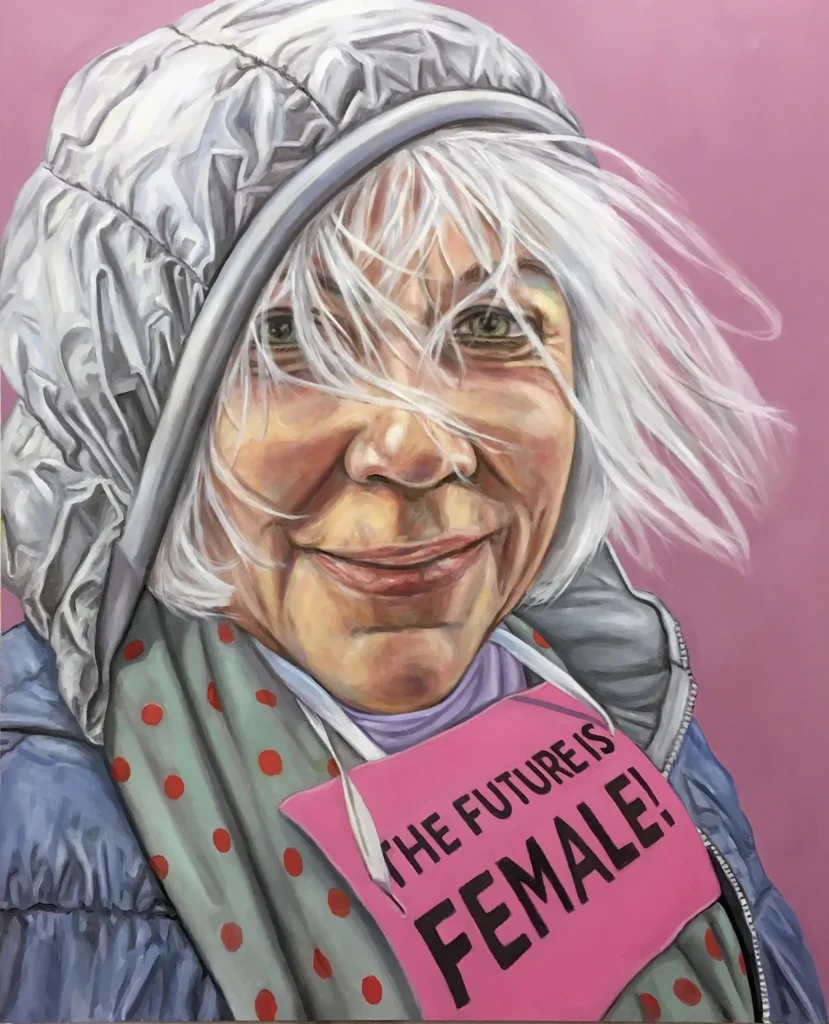
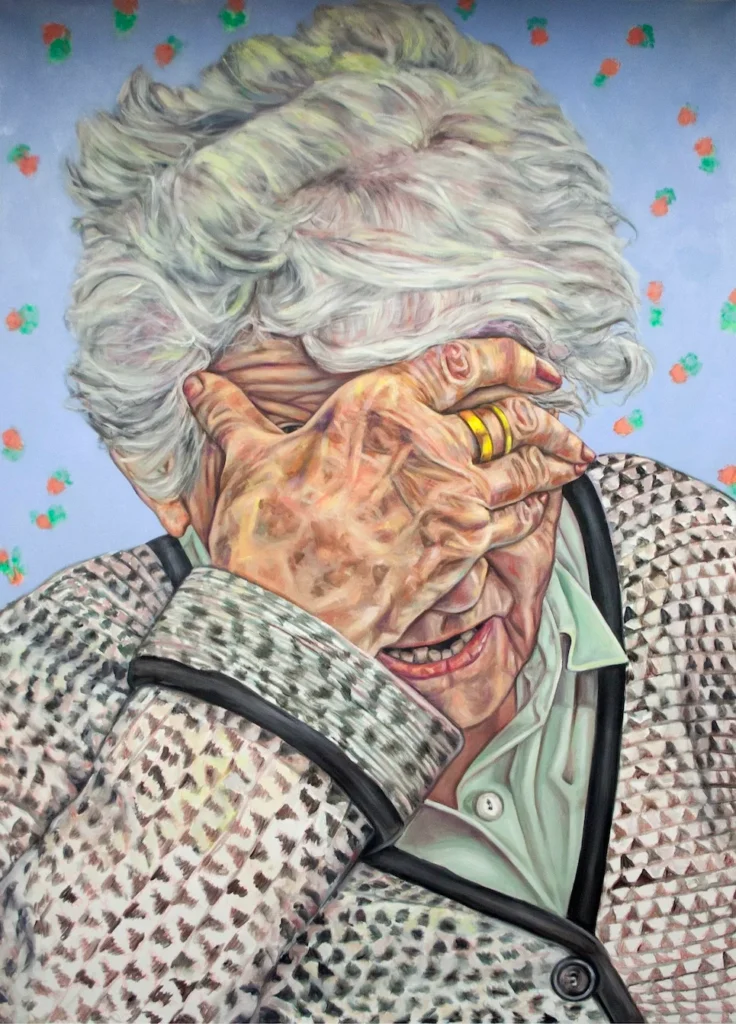
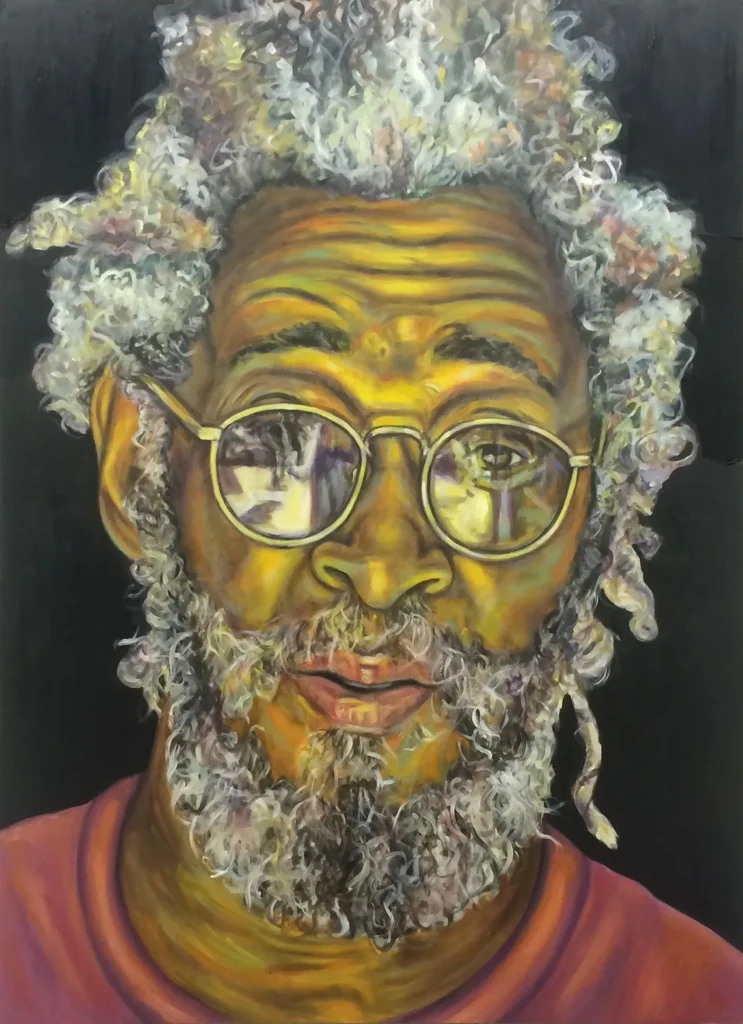
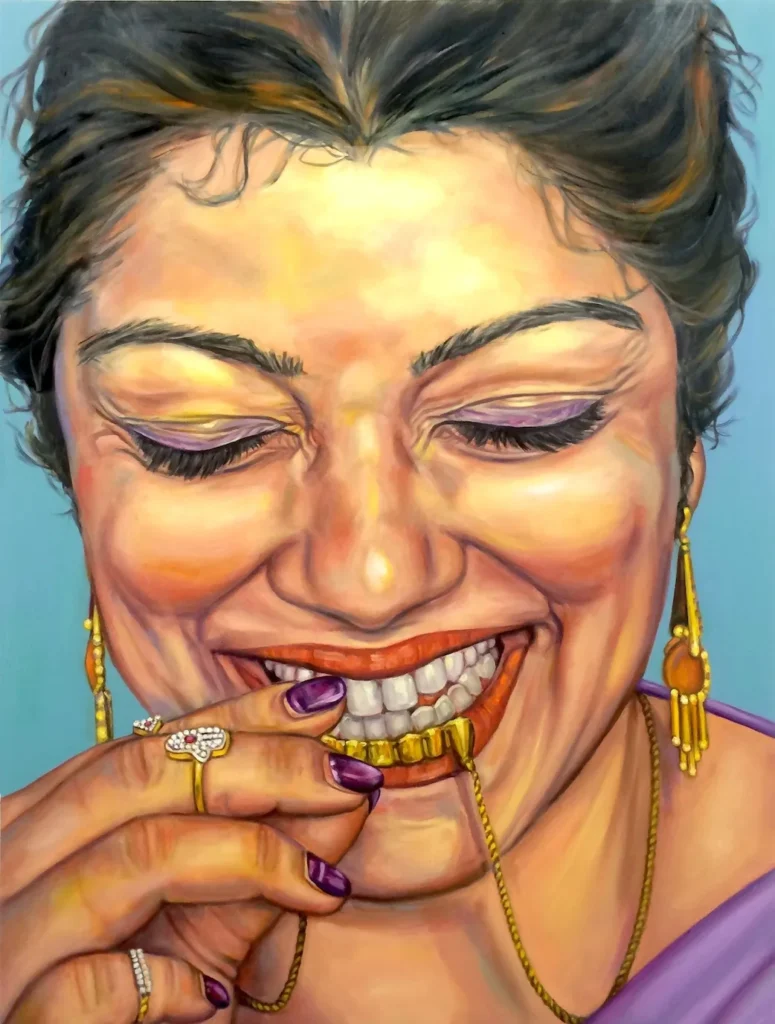
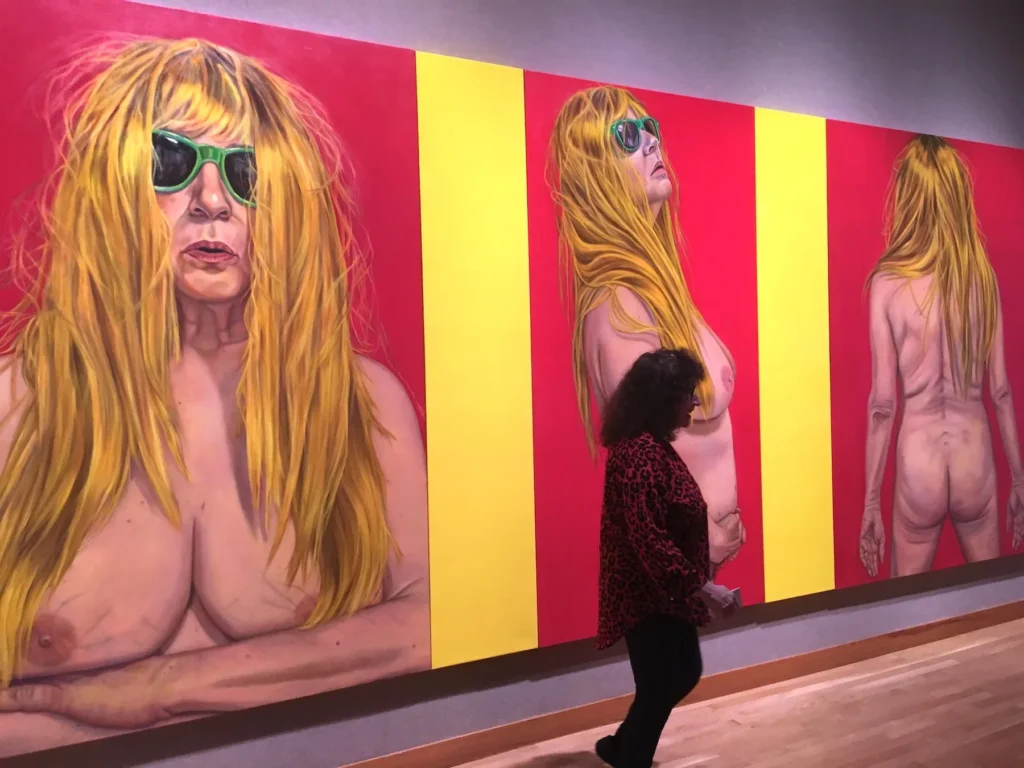
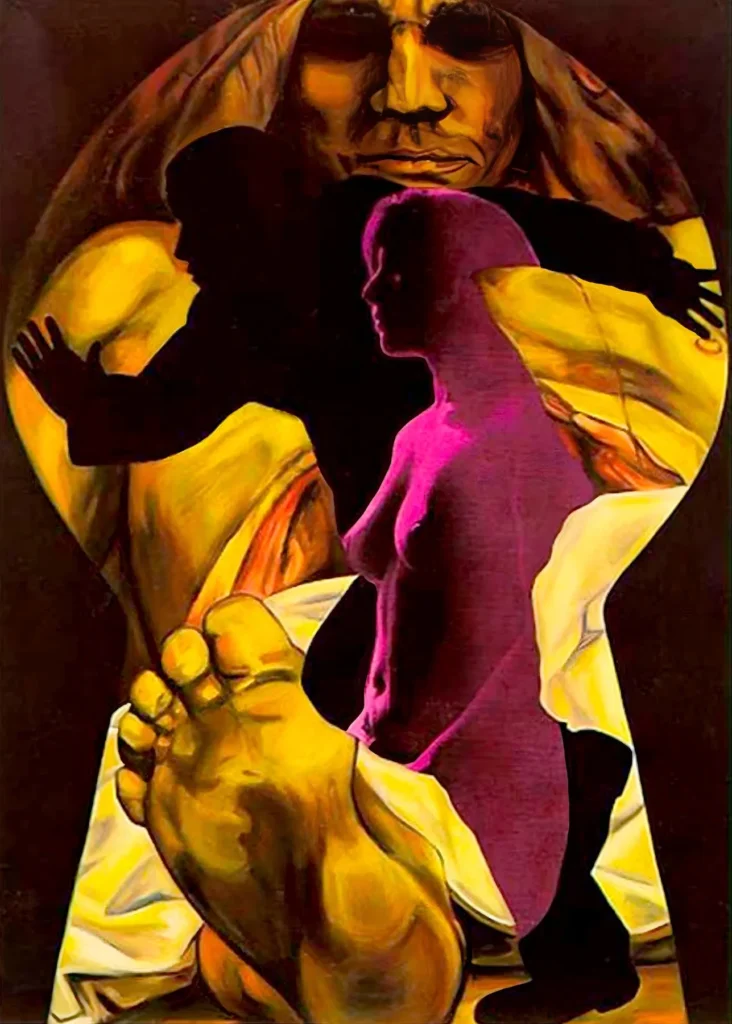
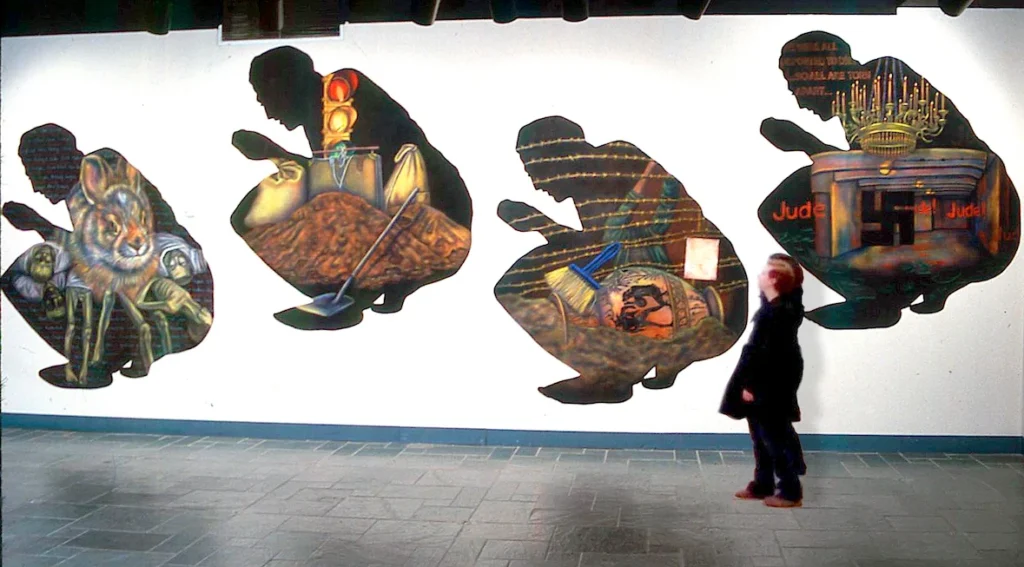
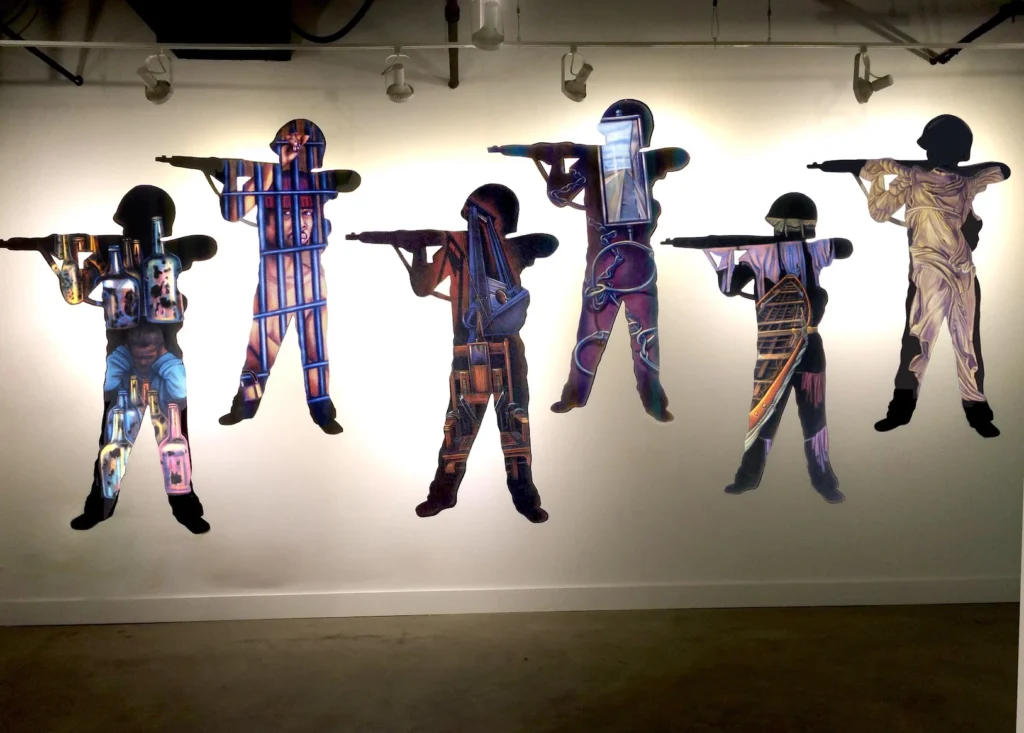
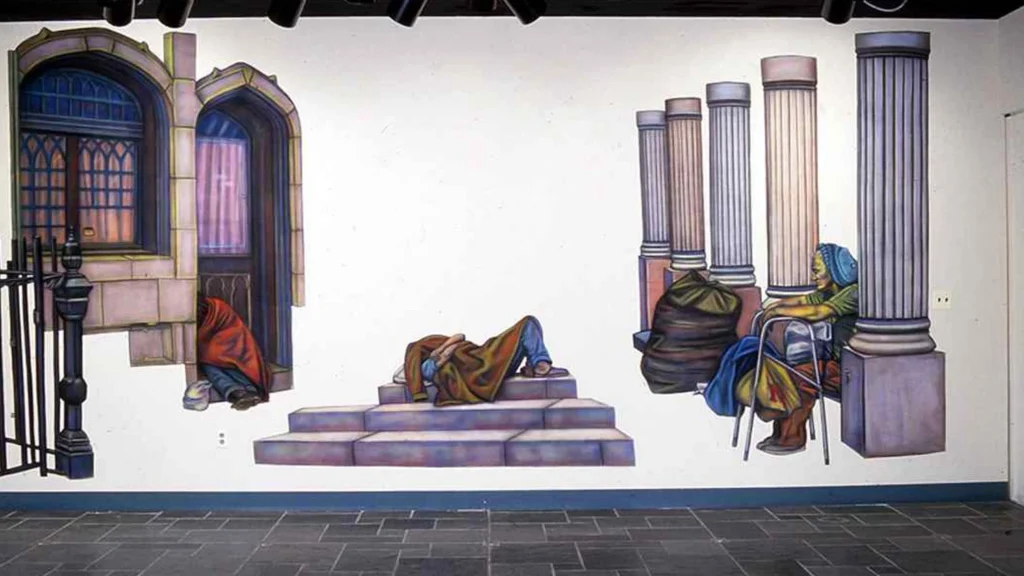
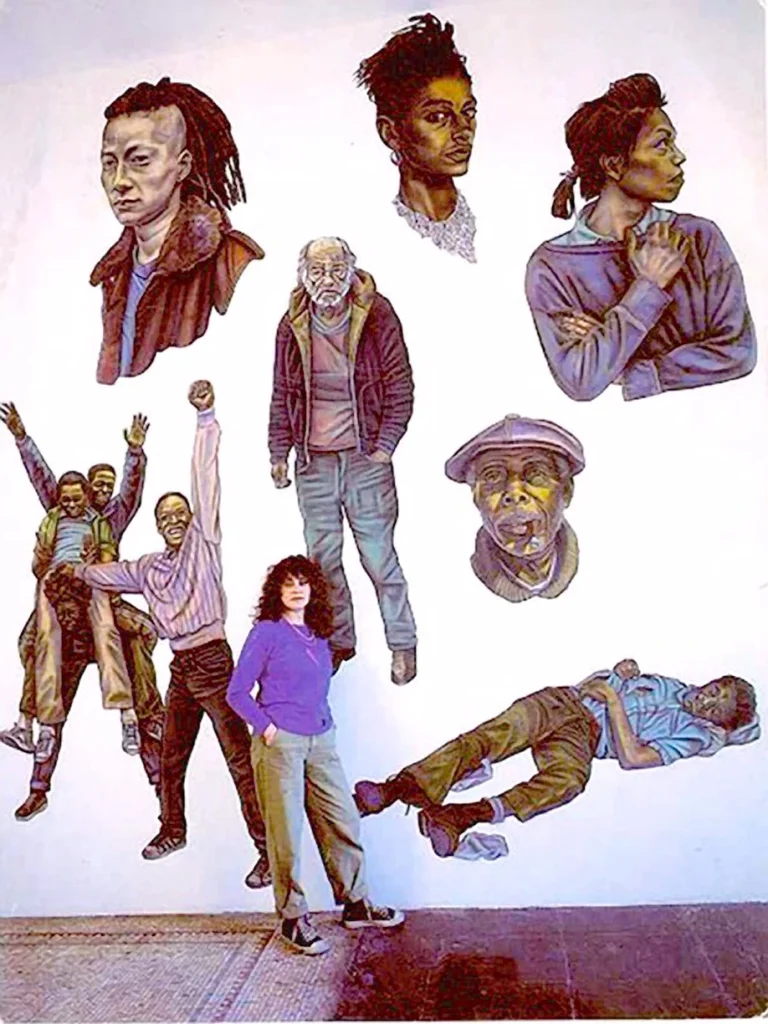
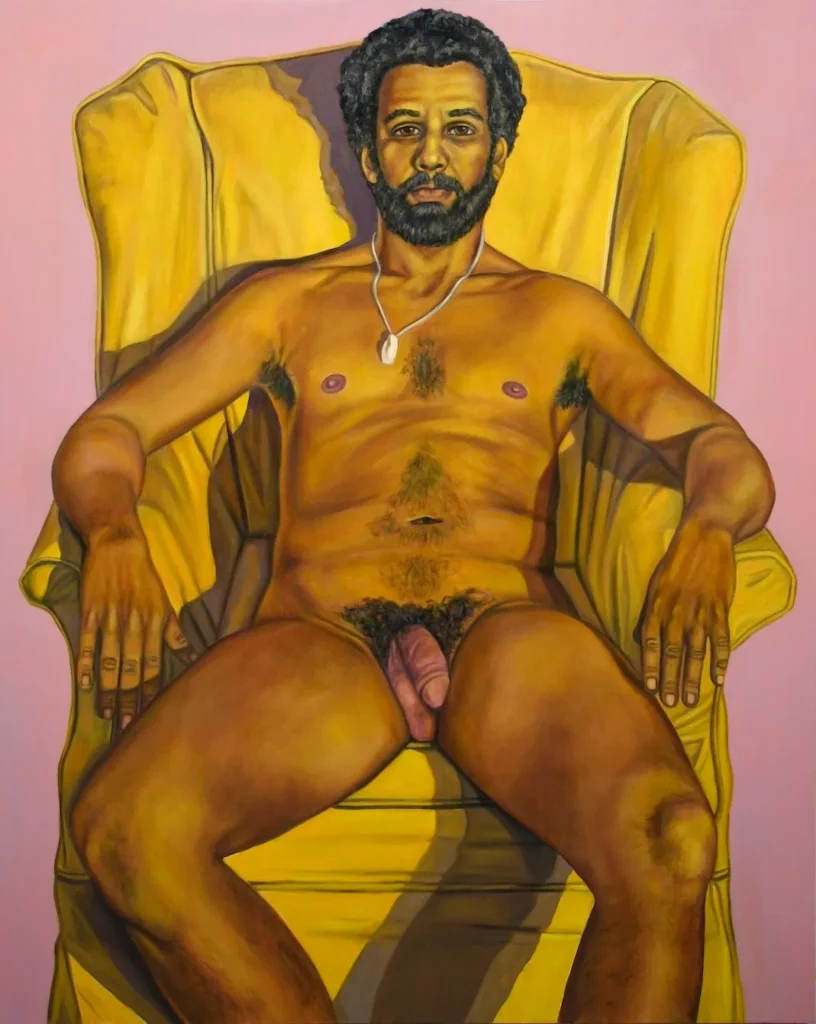
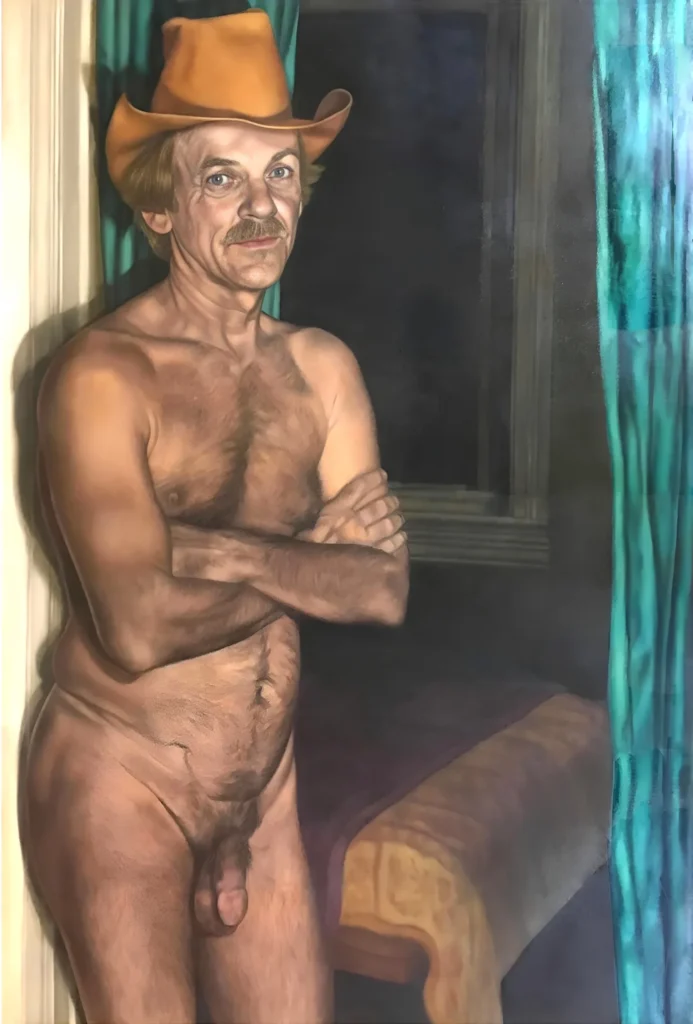
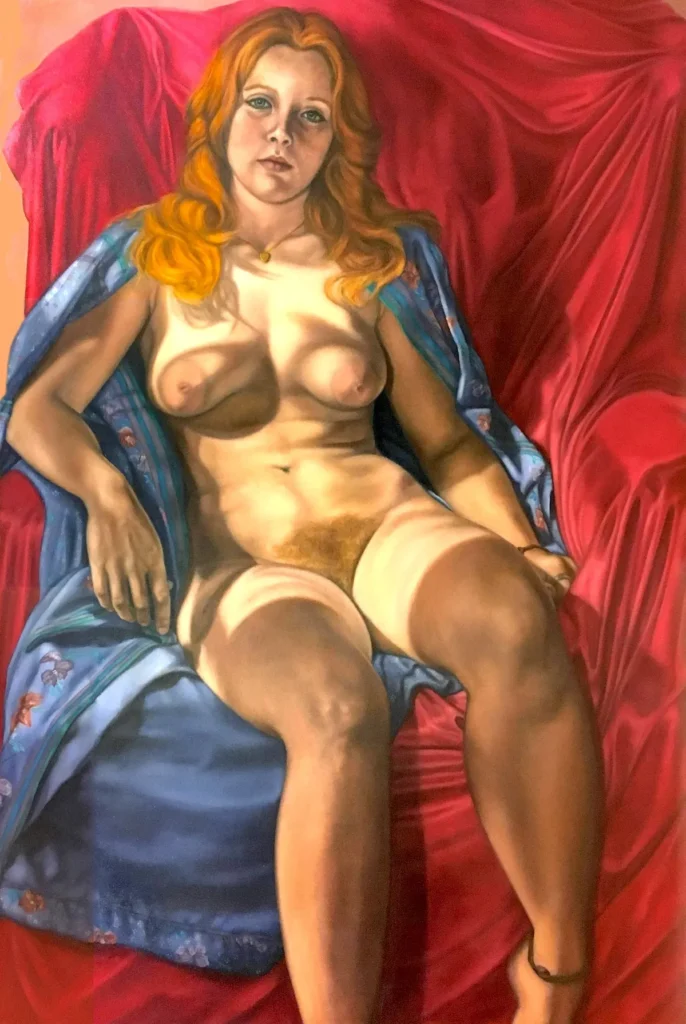
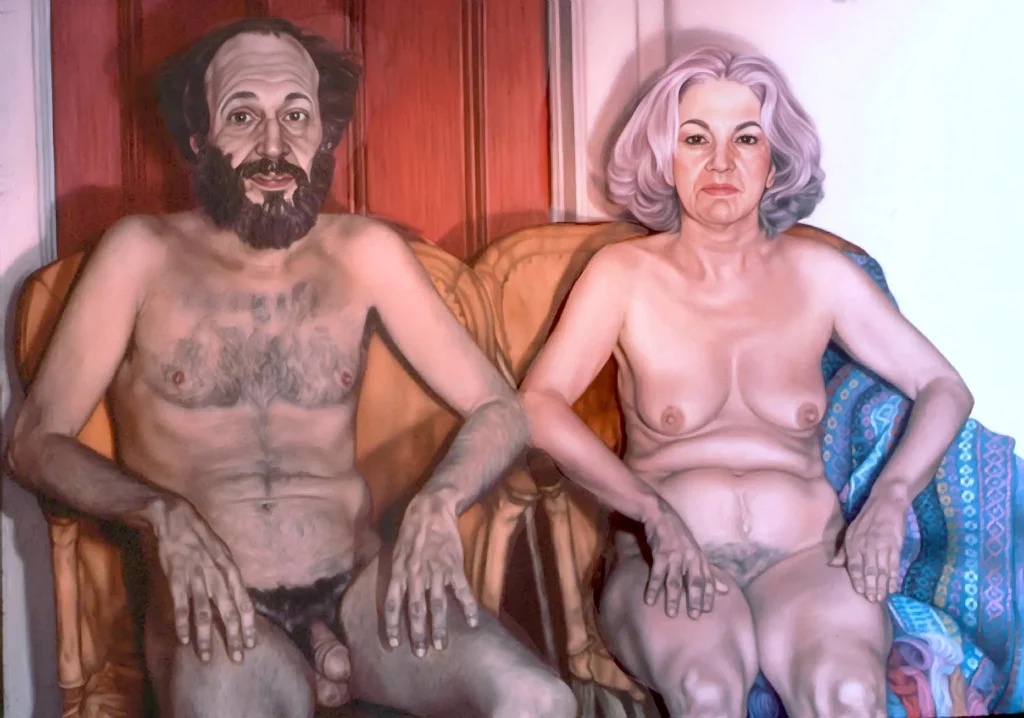
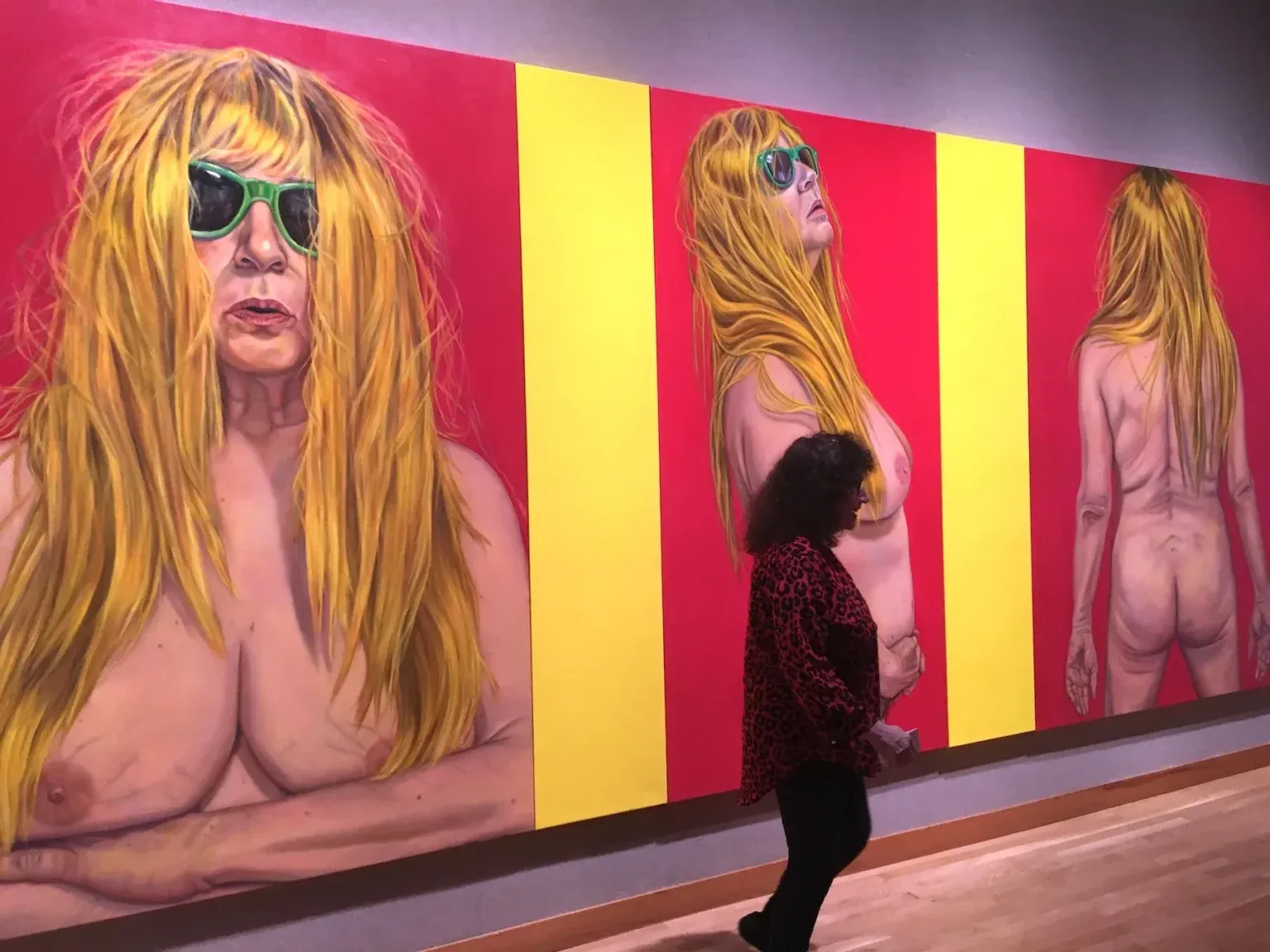
Feminism has been important in shaping my artwork and my philosophy of life. Since 1977, my work has dealt with feminist issues, beginning with paintings of larger-than-life frontal nudes of men and women of various ages who do not “fit into” the dictates of the “gaze” of the male- dominated art history/museum network. My subjects are not models but friends, neighbors, acquaintances, and myself – “everyday people.” I search for the beauty in the mundane, choosing people of all ages, genders, and ethnicities – their flesh reflecting life’s imprint. I took a break from painting with oils and, for ten years, from 1984-1994, I worked with a traditional medium in a non-traditional way, creating large pastels on cutout canvas installations. Pastels, which have historically been considered a woman’s tool for “delicate” subjects was the perfect vehicle for “tougher” issues. Its directness and immediacy mimicked the speed and excitement of the urban environment with its contradictory elements of squalor and glamor.
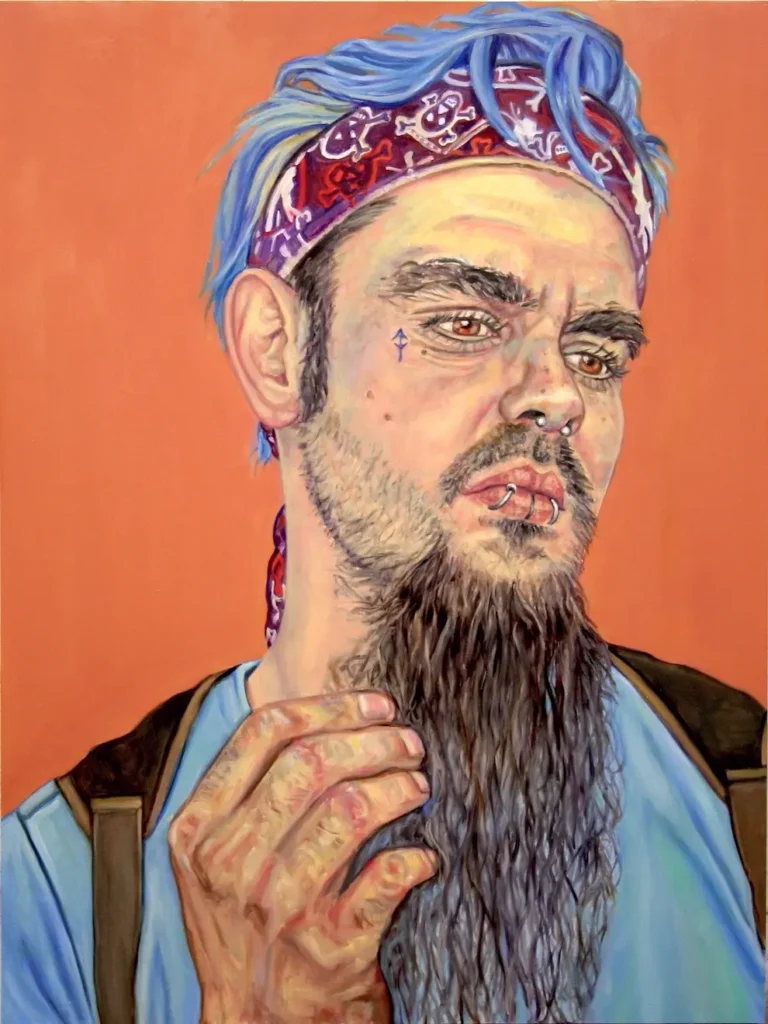
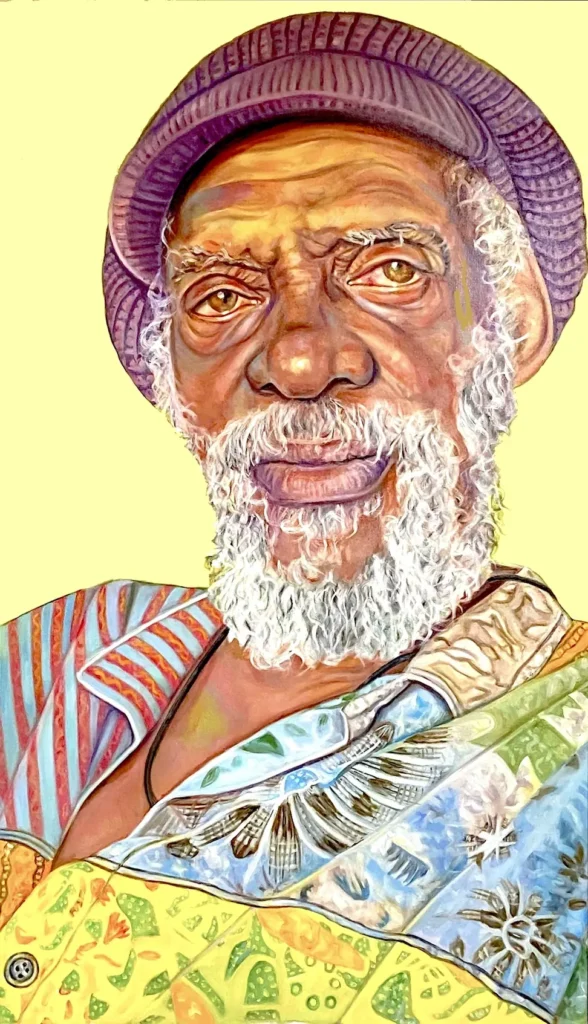
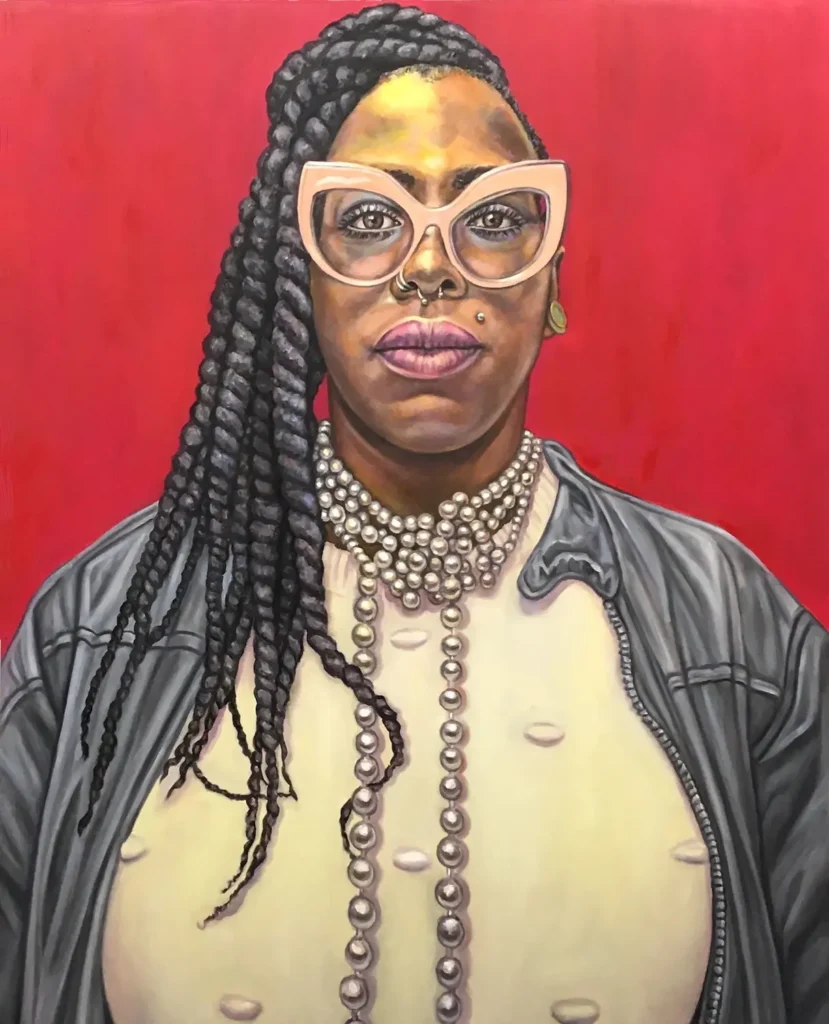
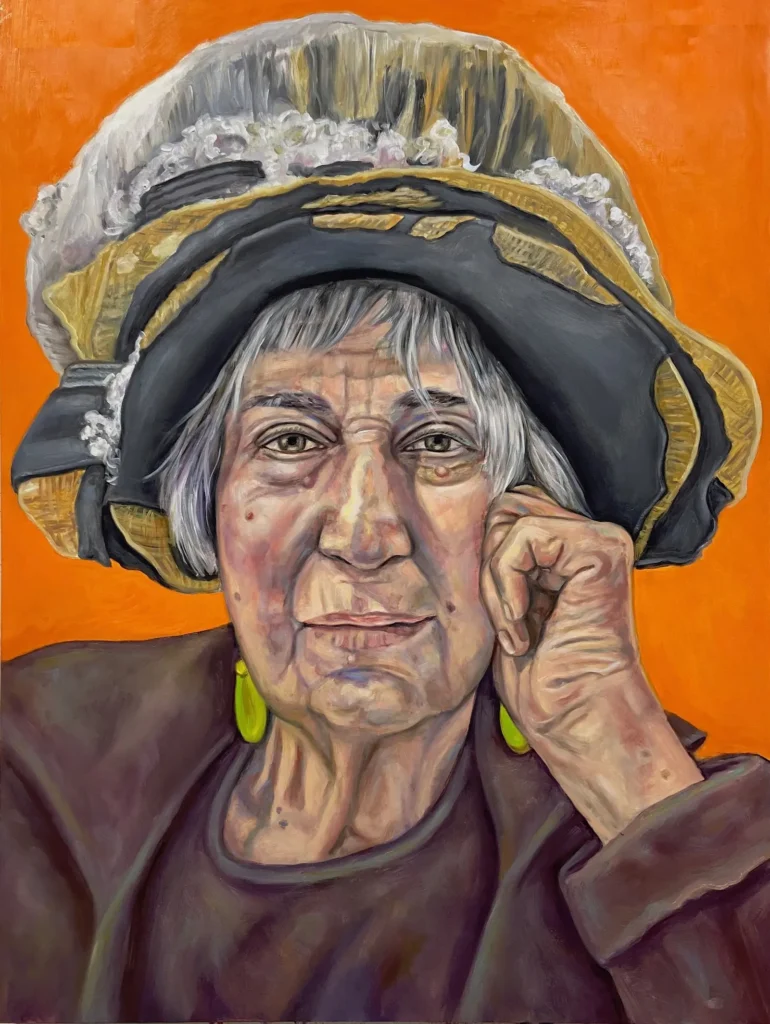
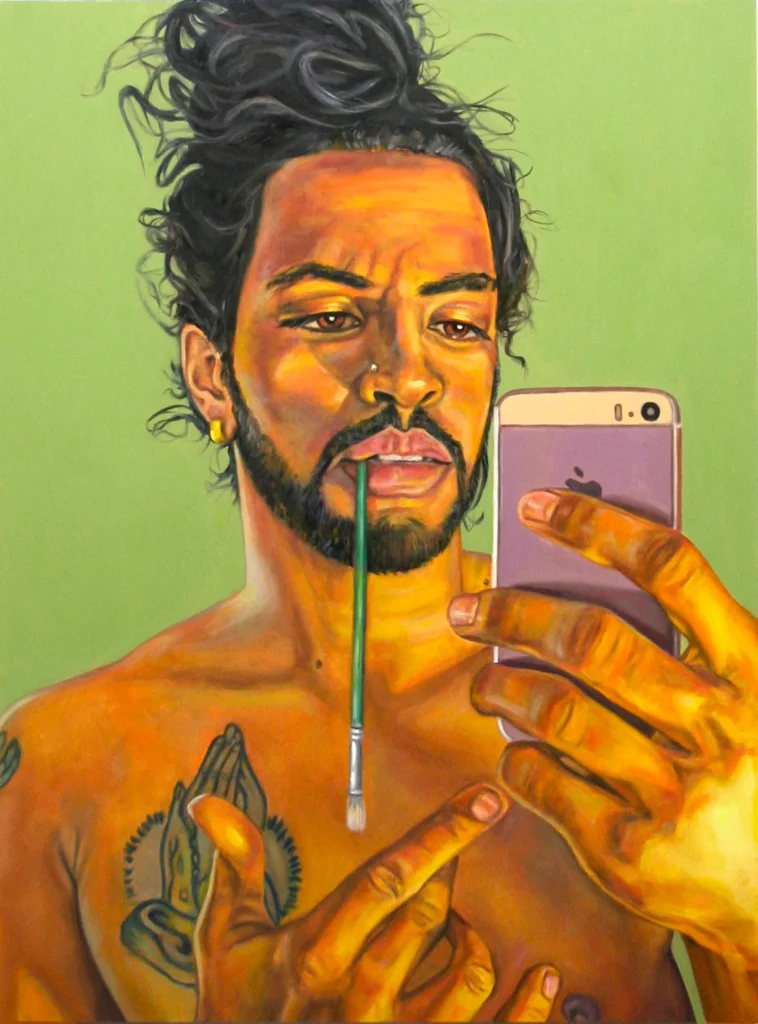
Concentrating on portraiture, I returned to painting in oil to convey the vitality and diversity of 21st century contemporary culture, which is rampant with selfies and iPhone photographs, capturing ineffable moments in our lives. The sensuality and radiant beauty of youth and ethnic diversity are depicted in my choice of subjects, as well as the ravages of time, which are imprinted on our being. All stages of life are filled with humanity that both elevates and dissipates the spirit.
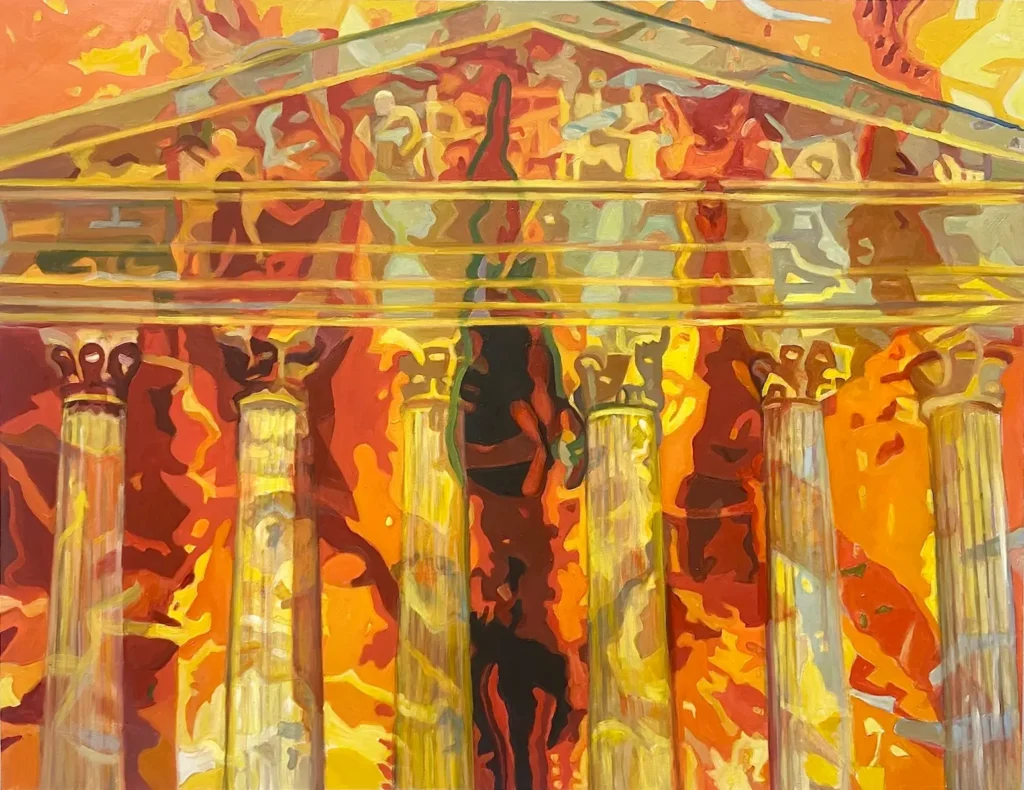
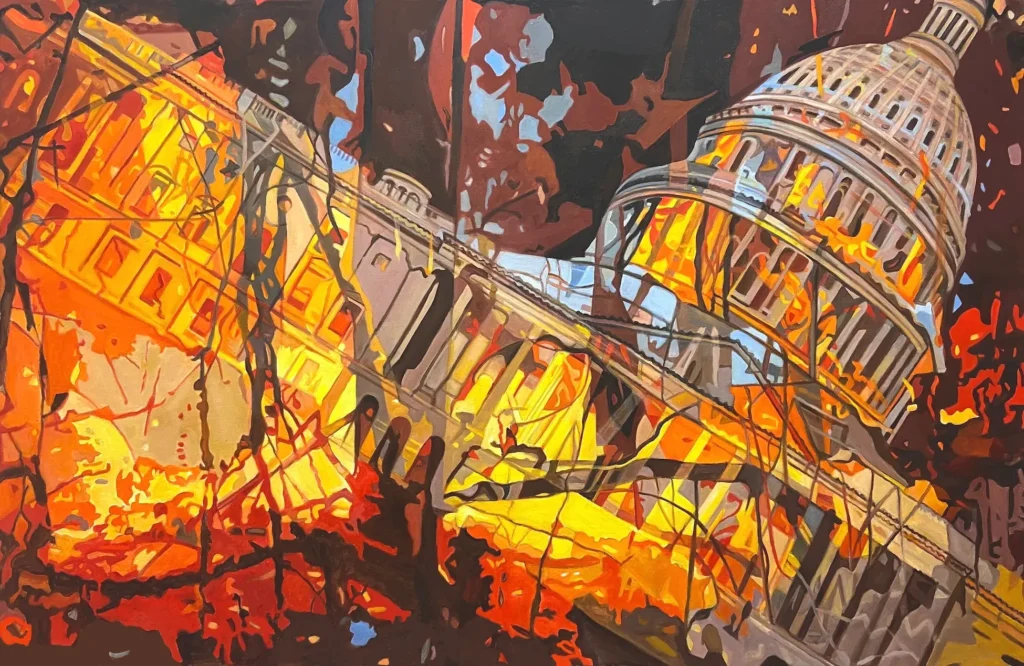
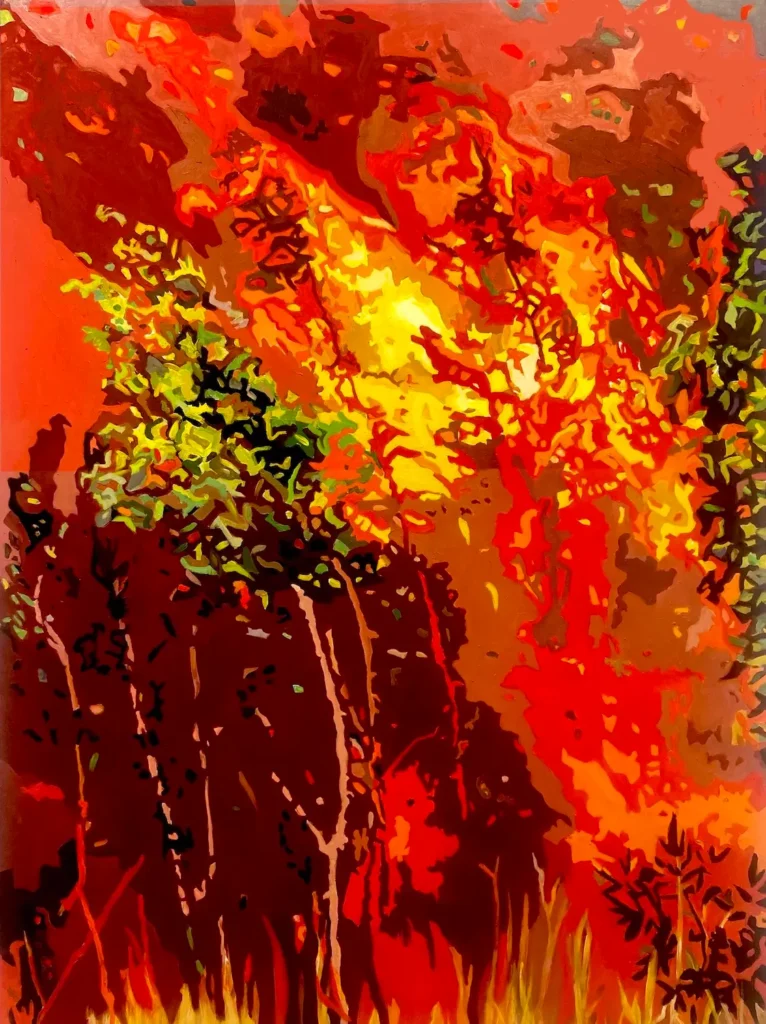
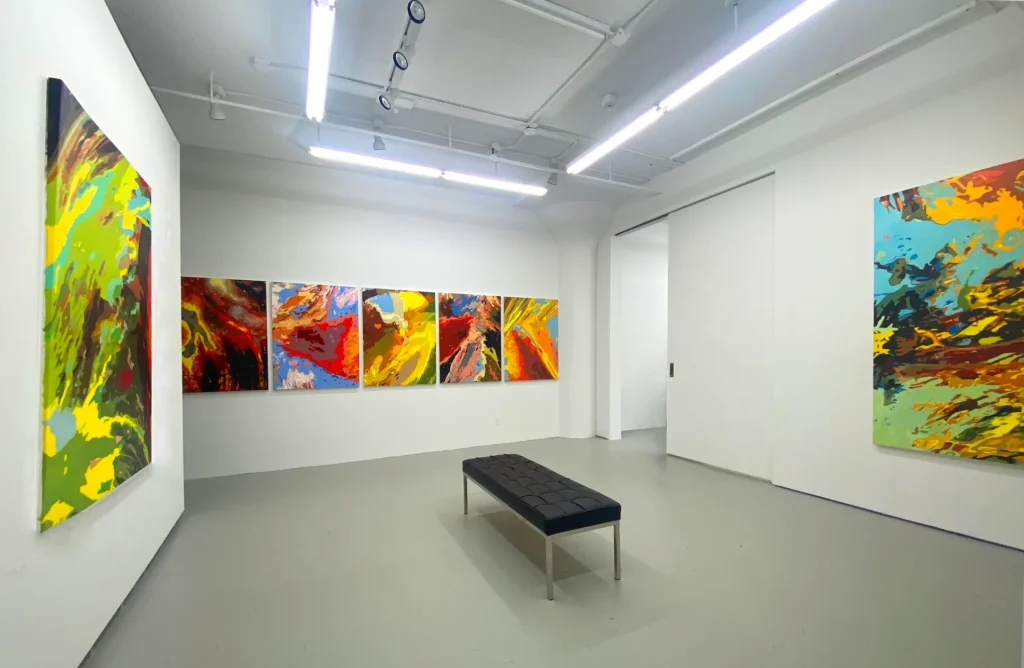
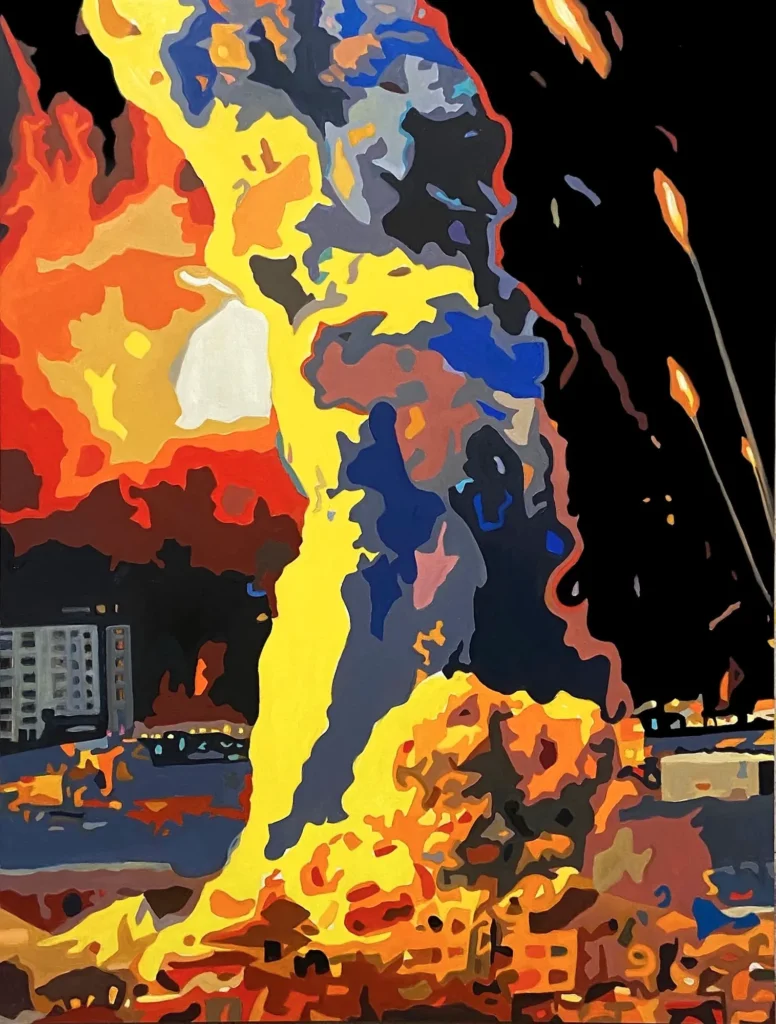
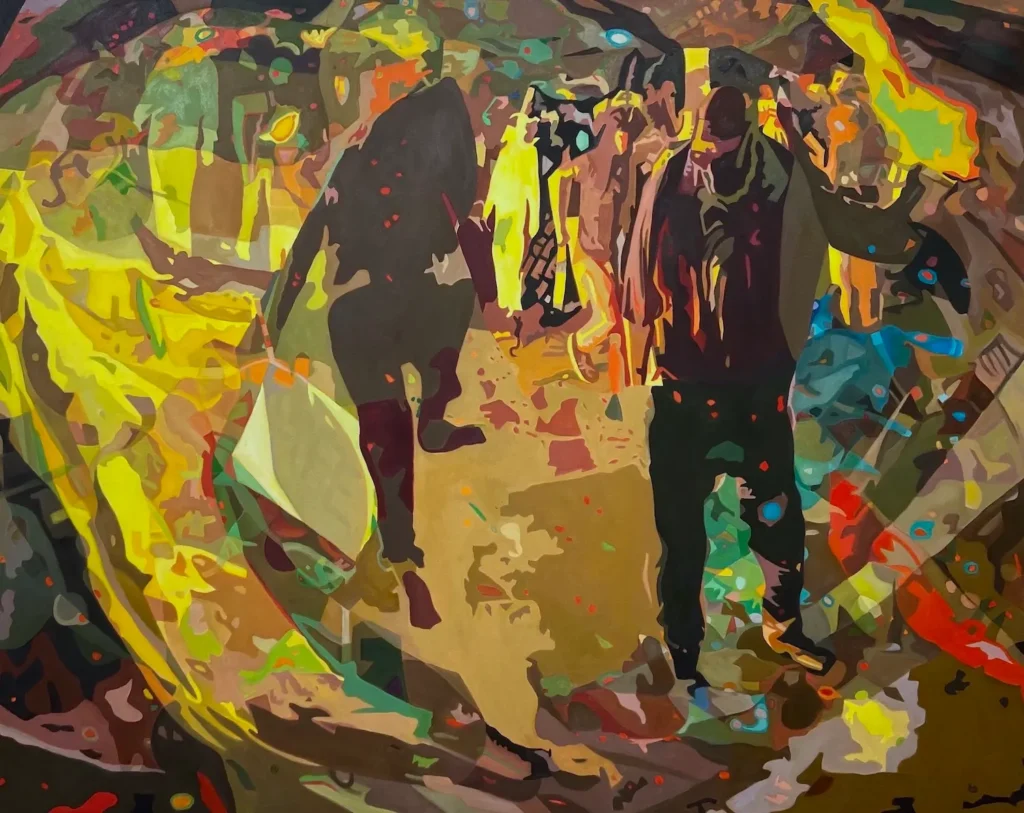
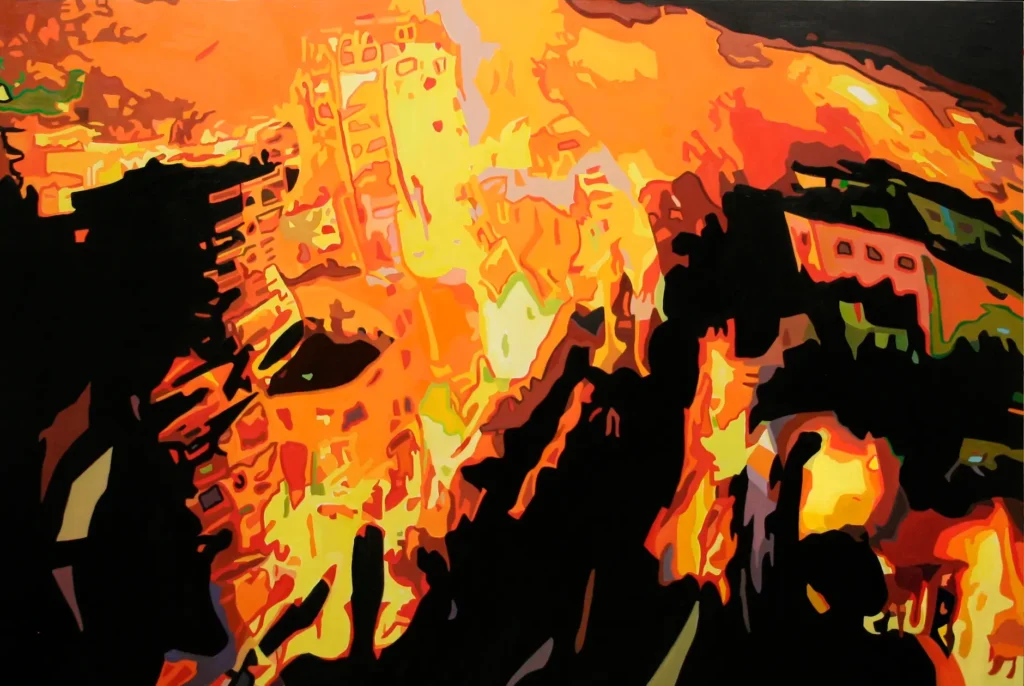
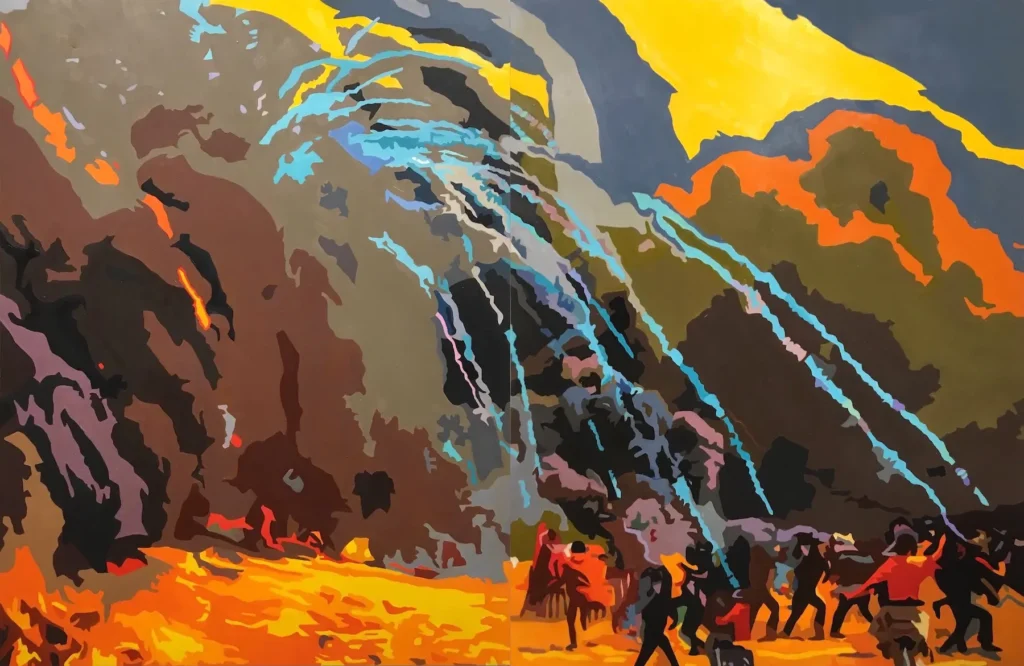
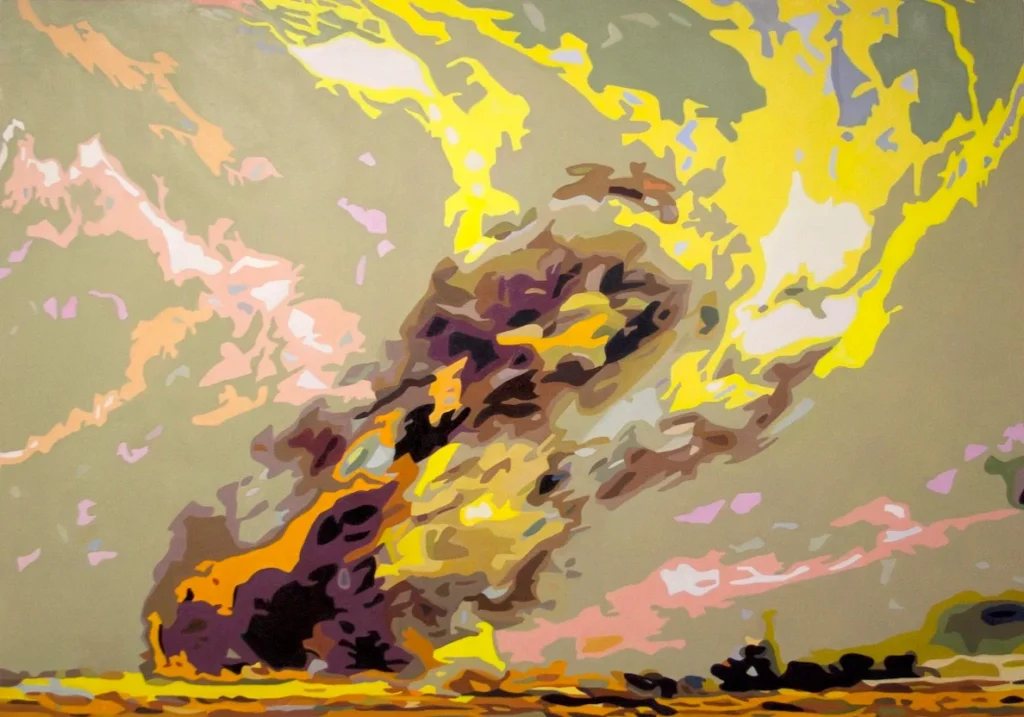
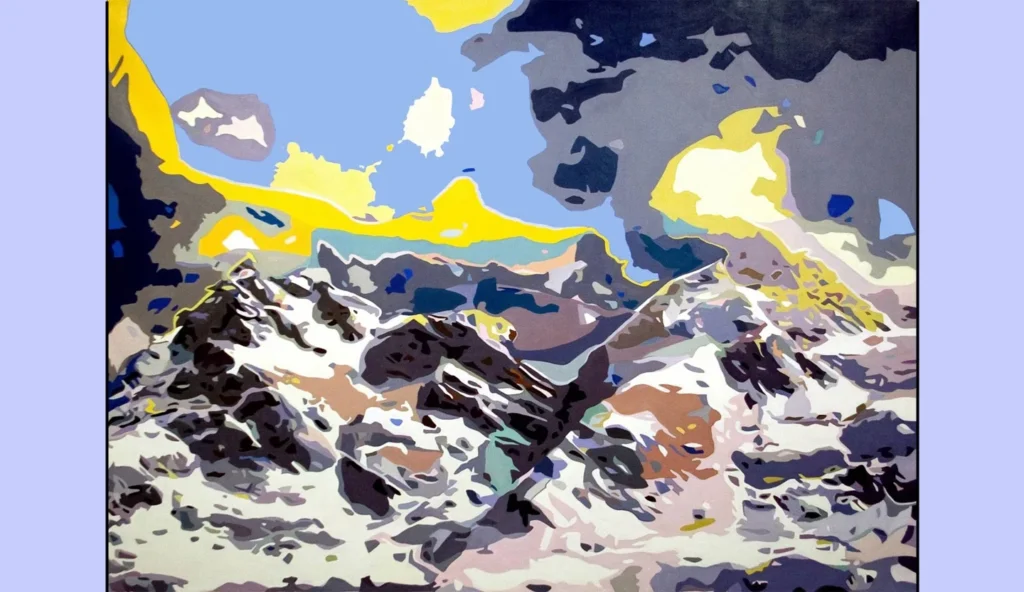
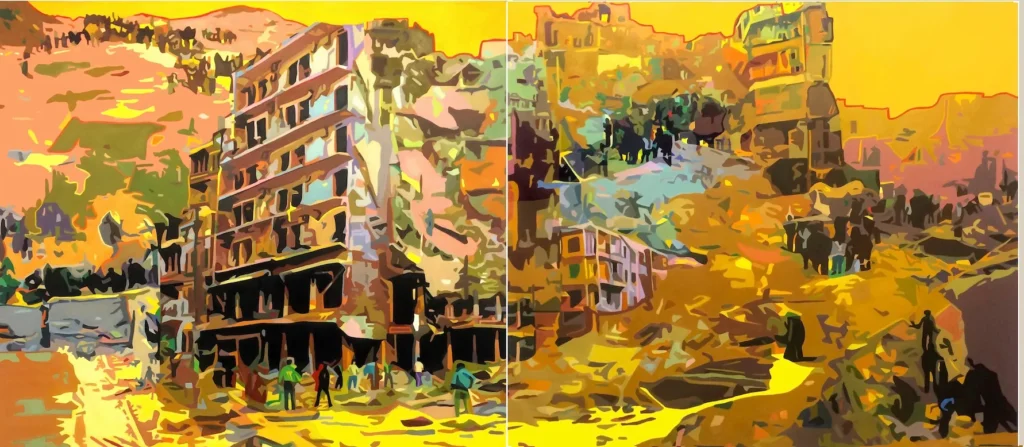
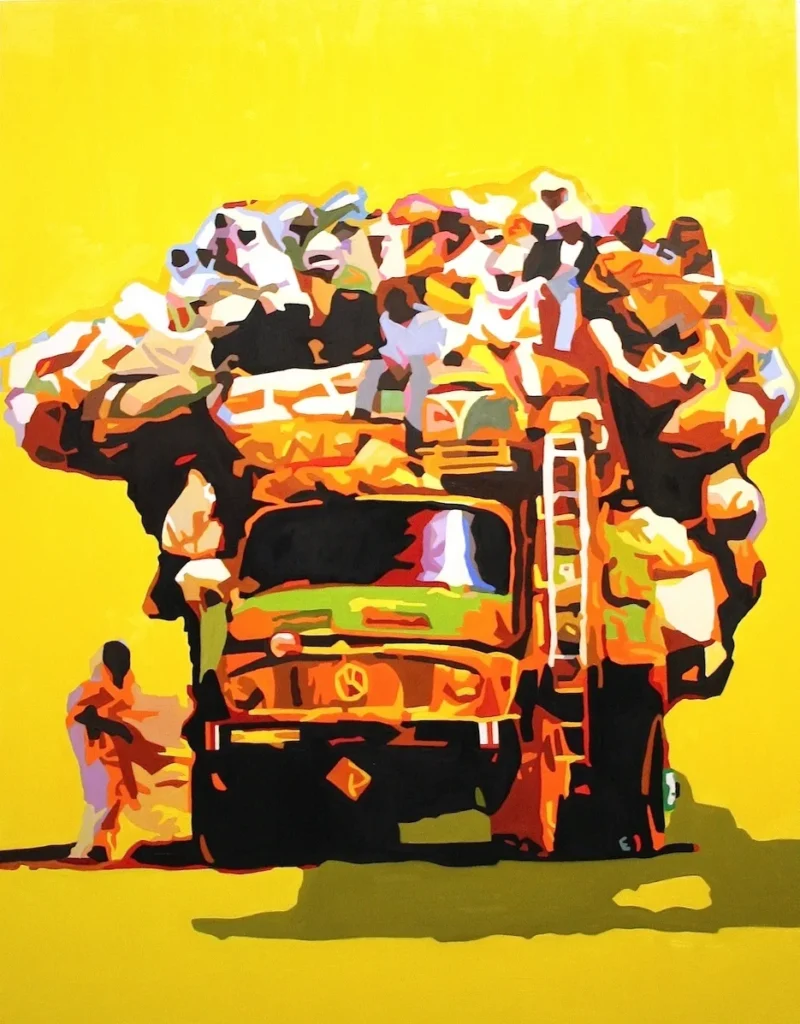
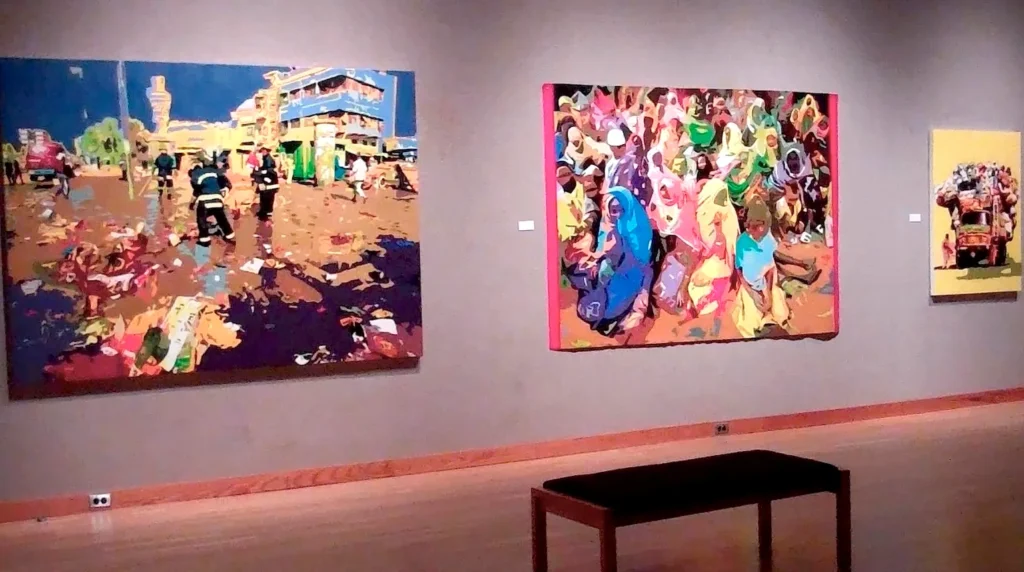
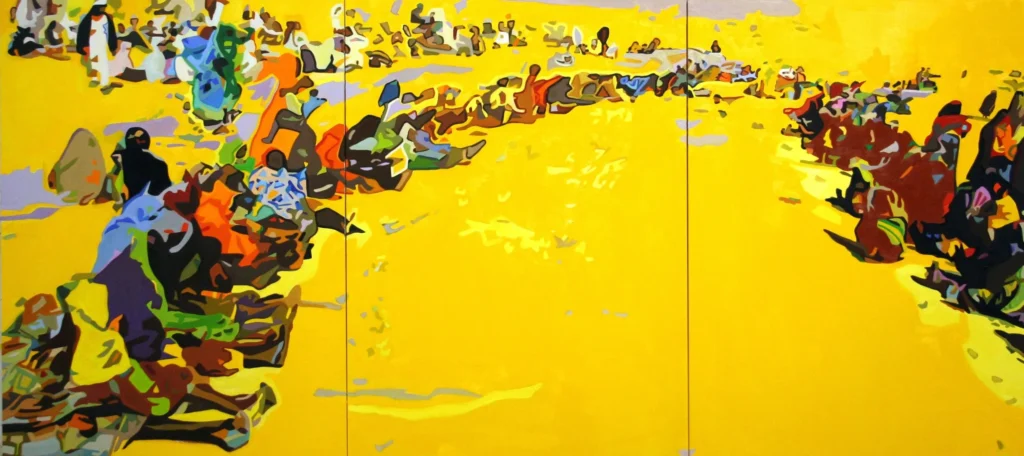
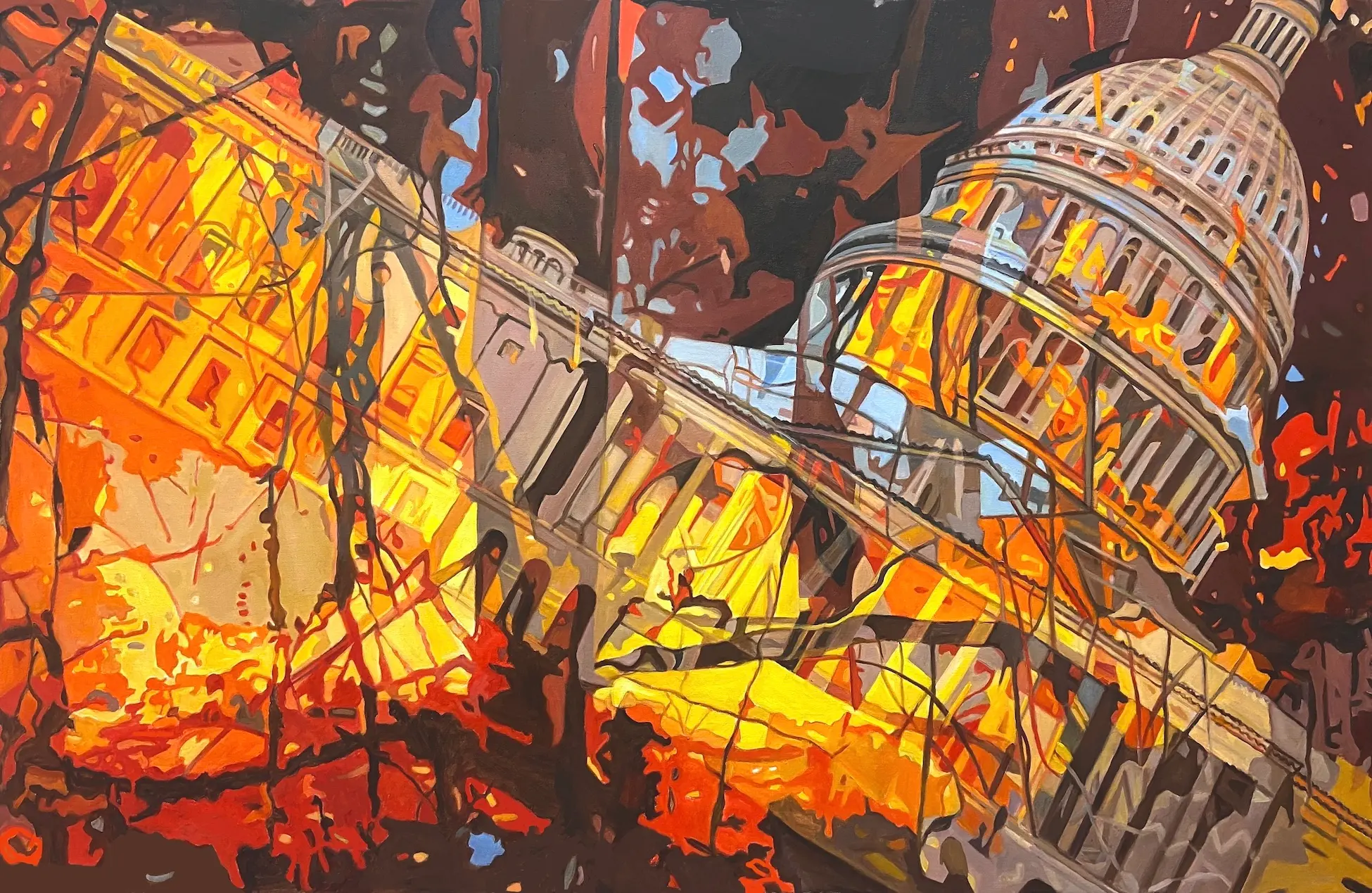
At the same time, I document global genocide and the anguish of innocent civilians caught in a spiral of death and destruction in large-scale “history” paintings. Since 2003, in a world where terrorism, ethnic cleansing, and cultural upheaval have dominated the news cycles, I look at the devastating impact of hostilities on the populace, correlating the displacement of residents in war-torn countries with a visual dissolution of form, fragmenting the picture plane. I include landscapes that have been desecrated by war and violence, but still retain their majestic beauty. The fissures and cracks are not always visible, but the fragmented abstracted forms allude to the decomposition and dissolution of nature breached and ruptured.